Wuhan Design Biennale
Introduction
The Wuhan Design Biennale is a leading cultural and creative event held in Wuhan city in Central China's Hubei province. Since its inception in 2011, the biennale has served as a vital platform for showcasing innovative design, promoting urban transformation, and fostering dialogue between art and engineering.
Organized by the Wuhan government and supported by institutions like Hubei Academy of Fine Arts, the biennale reflects Wuhan's ambition to position itself as a "World Design Capital" and a vibrant hub for cultural innovation.
History and Evolution
The inaugural Wuhan Design Biennale took place at the Wuhan Art Museum in 2011. It set the foundation for subsequent editions by combining exhibitions, forums and cultural activities under the theme of urban and artistic exploration.
The second Biennale, held in 2013, introduced the theme "Artistic Cities", emphasizing the interplay between art and urban development. It marked a shift towards analyzing the deeper relationship between engineering and the humanities, challenging the conventional "engineering language" in urban projects and advocating for a human-centered approach.
By 2021, the sixth edition of the Biennale had evolved into the most extensive and globally recognized iteration, with the theme "Big Design, Big Wuhan". It highlighted Wuhan's aspirations to become a world-class design capital. The event featured participation from both China and abroad, showcasing Wuhan's growing cultural influence.
Features and Objectives
Urban and Artistic Integration
A defining aspect of the biennale is its focus on bridging art and engineering. Each edition examines how design can reshape urban spaces, blending functionality with aesthetics. This approach not only influences design practices but also enriches urban living with greater cultural depth and humanistic care.
Diverse Formats and Exhibitions
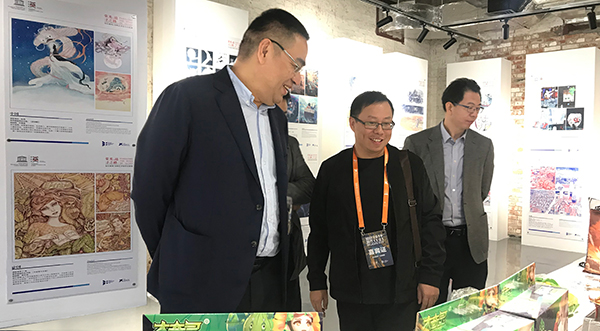
The biennale's exhibitions span a wide range of media, including drawings, models, paintings, sculptures, multimedia installations, and live performances. Recent editions have incorporated street art galleries, artist studios, and interactive workshops to engage audiences and encourage cross-disciplinary collaboration.
Economic and Cultural Synergy
By integrating cultural programming with economic initiatives, the biennale fosters a symbiotic relationship between design and commerce. Activities such as investment promotions and industry forums stimulate local and international economic exchanges, highlighting Wuhan's strategic role in the global design economy.
The biennale provides an international stage for cities and designers to exchange ideas and showcase innovations. It has played a crucial role in elevating Wuhan's reputation, enhancing its status as an international cultural and creative hub.
Legacy and Impact
Over a decade, the Wuhan Design Biennale has evolved into an influential event, embodying the city's vision of cultural rejuvenation and global connectivity. It not only highlights Wuhan's rich industrial heritage but also sets a benchmark for future urban development that balances tradition with innovation.








